How To Create a Rebound™ 25 Mold to Cast a GFRC Banyan Tree
Overview
Pretecno of Cancun, Mexico, specializes in the design and construction of beautiful yet functional architecture. Their list of clients includes many of the elite hotels throughout Central America. Among their varied specialties, Pretecno is an industry leader in precast concrete, including Glass Fiber Reinforced Concrete (GFRC).
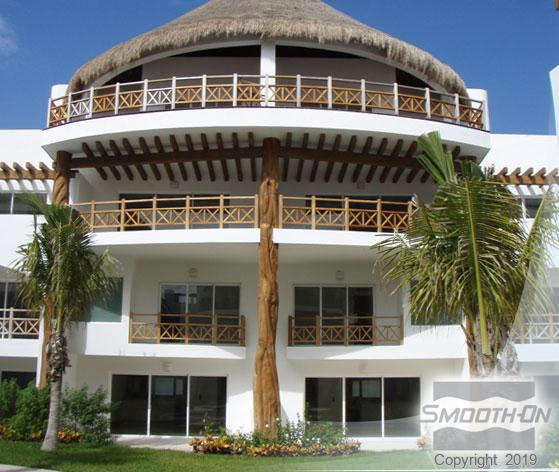
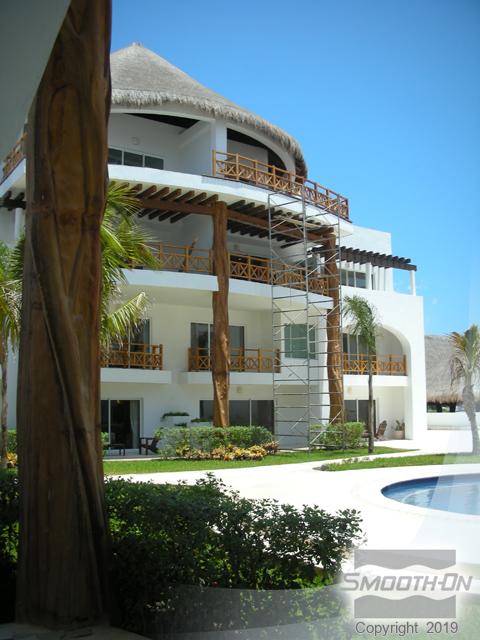
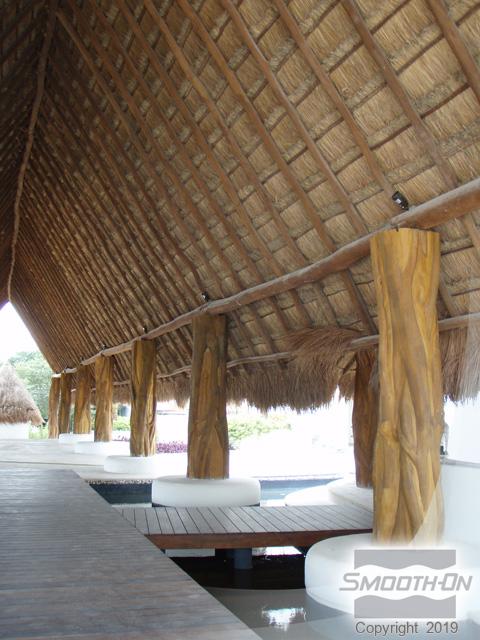
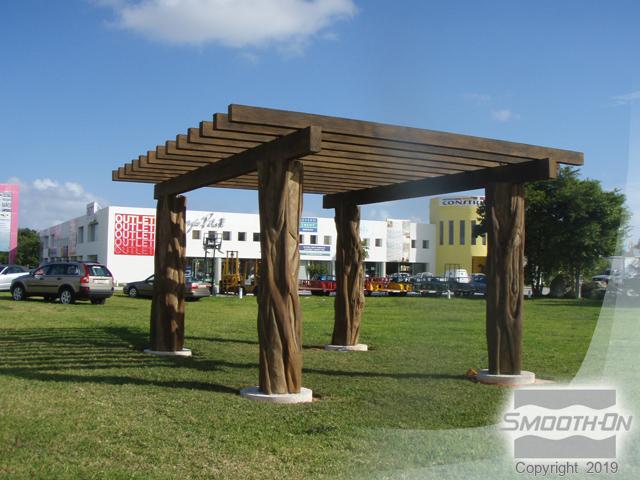
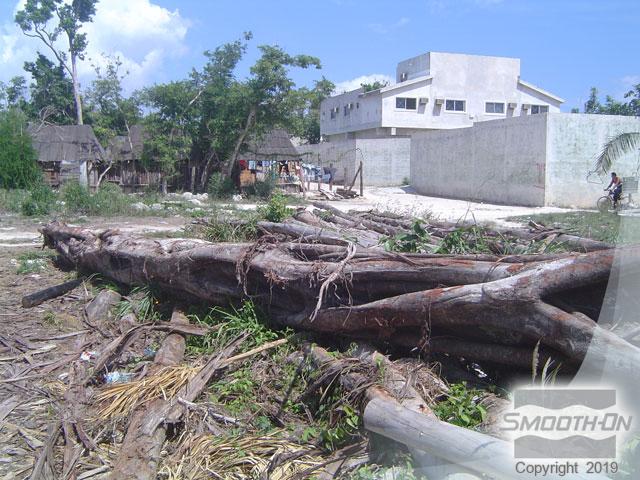
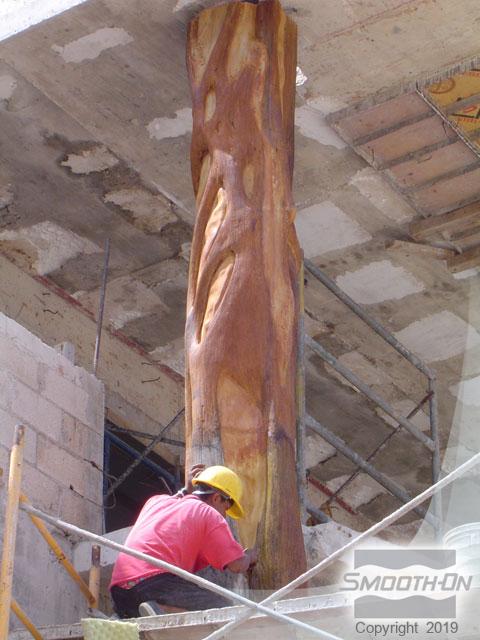
Recently, Pretecno engineer Jose Hormiga developed a way to bring an organic feel to some of the company's latest building projects. At the Condominios Quadra Alea in Playa del Carmen, Mexico, Hormiga used Smooth-On's Rebound™ 25 silicone rubber to mold a 30 foot (10m) banyan tree trunk. GFRC reproductions were then cast and used as decorative columns throughout a tropical resort.
Materials Used in this Tutorial
- Rebound 25
- SuperSeal
- Fiberglass resin
- Freshly Cut Banyan Tree
- GFRC
- Forton VR 774
- Mixing Sticks
- Mixing Containers
- Paint Brush
- Concrete Sprayer
Step 1: Preparing Model
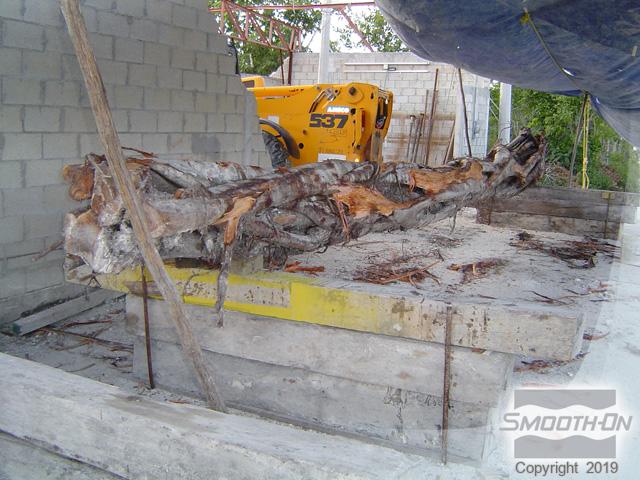
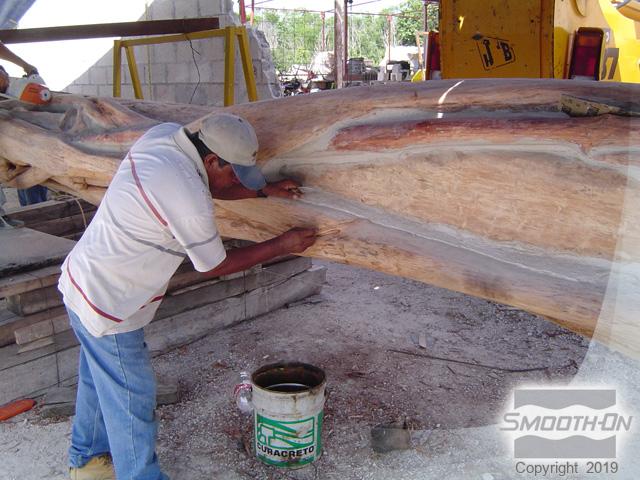
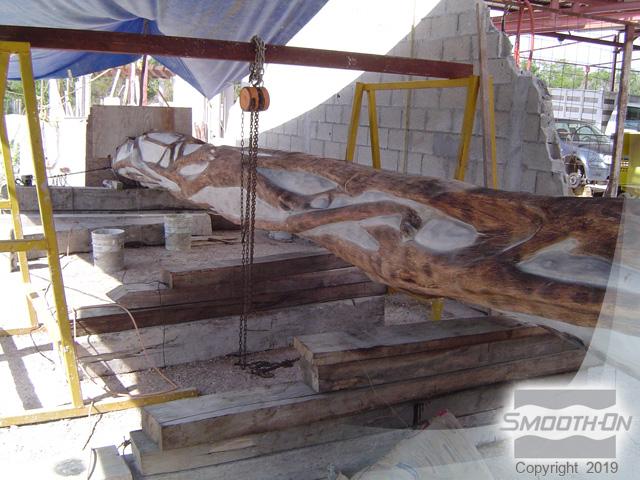
First the tree must be prepared to make it suitable for the mold making process.The preparation includes stripping residual bark, sanding, and cleaning the surface. Fill deep undercuts and gaps to make the mold process easier.
Take care to ensure the original shape while filling in gaps and undercuts to help prevent a mechanical lock between the original and the rigid support shell. Once the tree has been cleaned and the gaps filled, apply Smooth-On's Super Seal® to fill in pores and prevent possible cure inhibition of the Rebound® 25.
Step 2: Applying and Demolding of Rebound 25
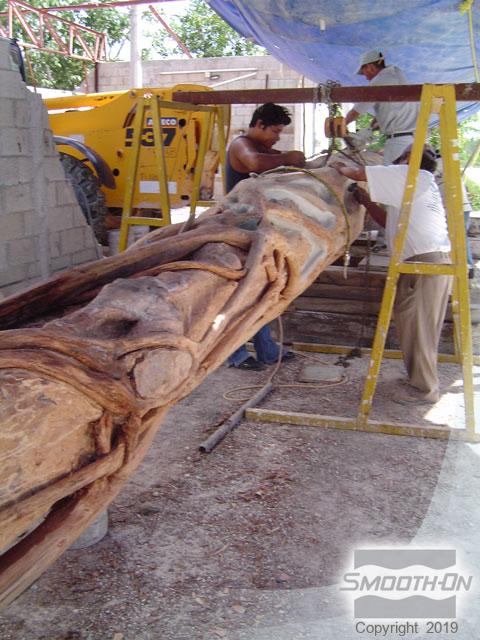
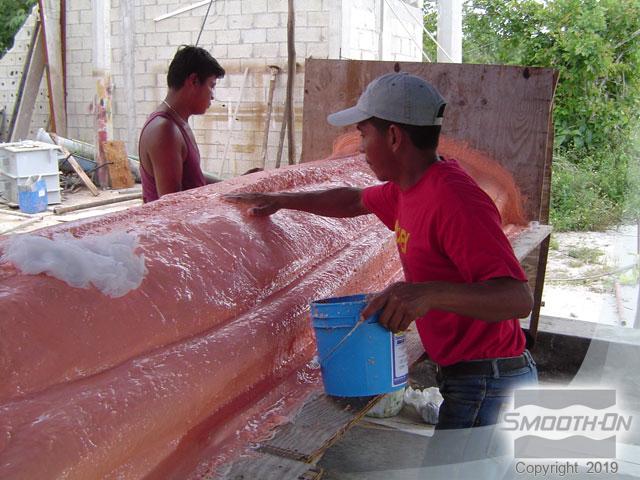
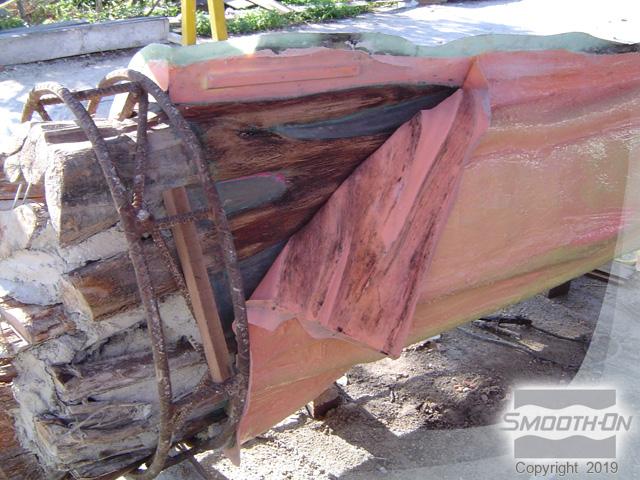
Brush on 4 layers of Rebound™ 25 until a mold thickness of 3/8' (1cm) is achieved and allow to fully cure.
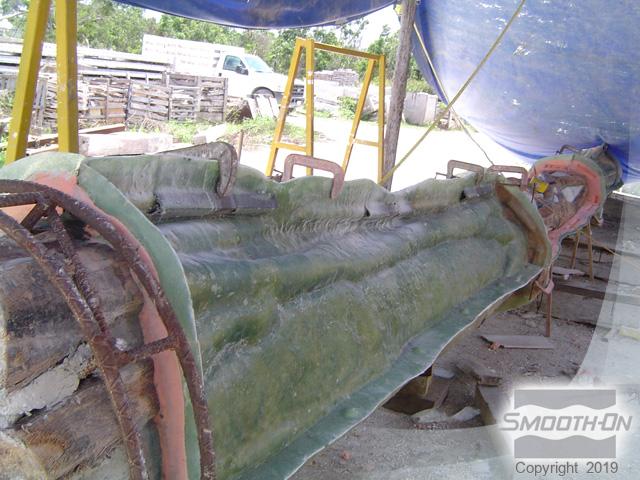
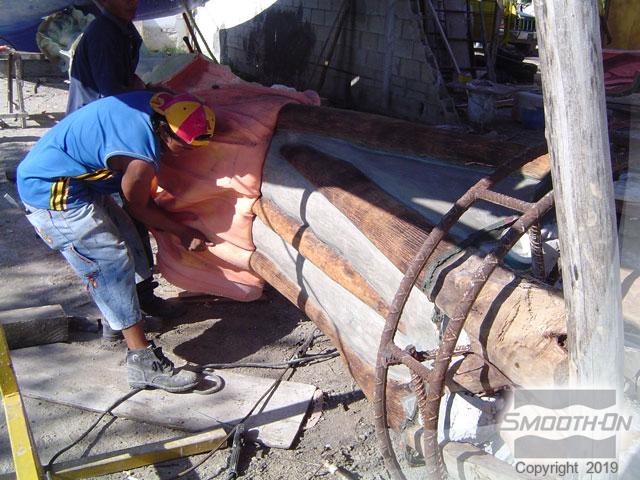
Create a fiberglass and resin support shell. Once the support shell has fully cured it can be removed followed by the Rebound™ 25 mold.
Step 3: Preparing Rebound 25 Mold
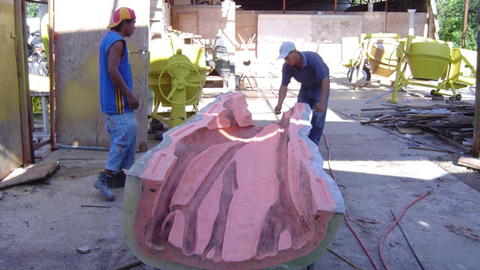
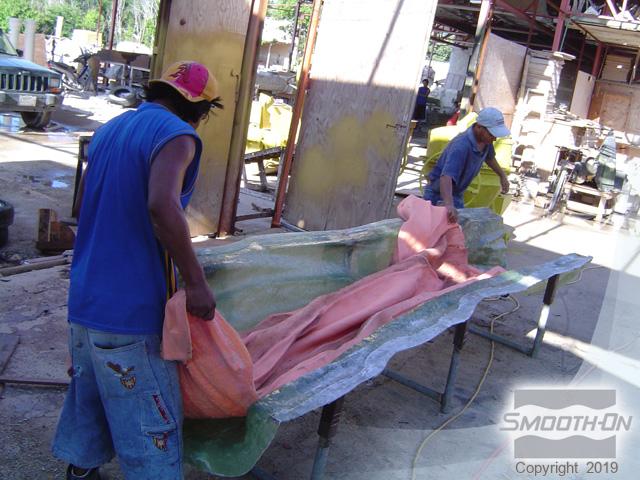
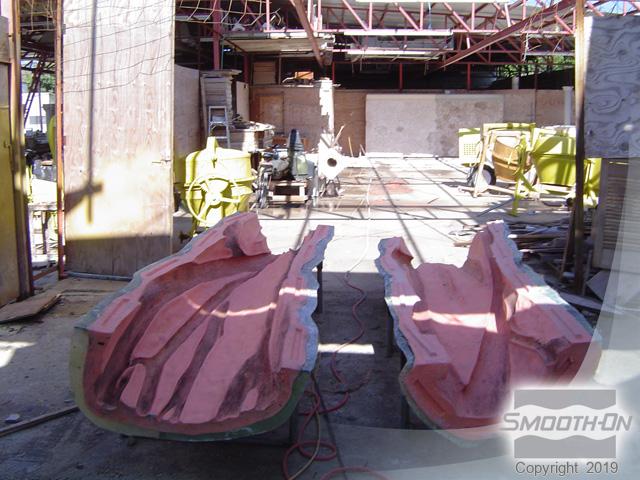
Rebound™ 25 silicone is flexible and strong enough to be pulled away from the original without tearing. The mold reflects perfect detail captured from the surface of the original banyan tree.
Seat the flexible rubber mold in the rigid support shell and then it is ready for casting.
Step 4: Dispensing and Applying GFRC
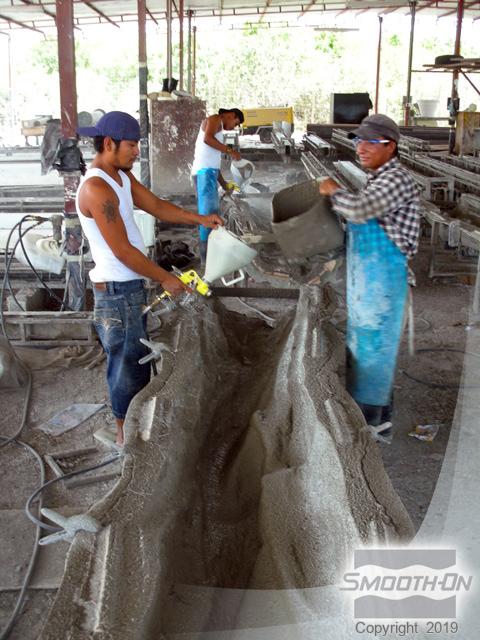
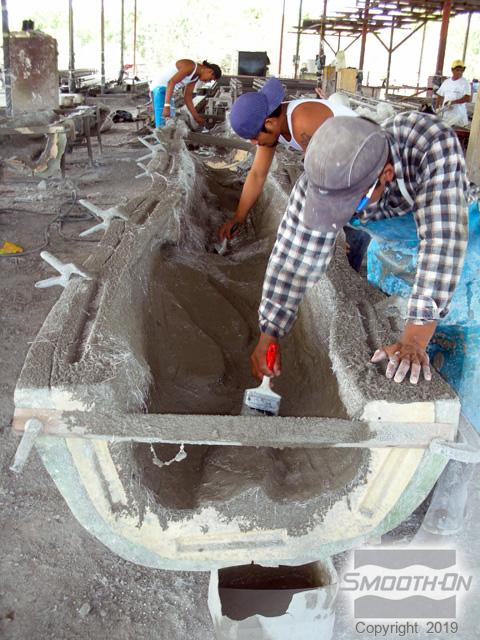
First, an initial spray coat of concrete is applied to the rubber mold. GFRC casting is done in layers.
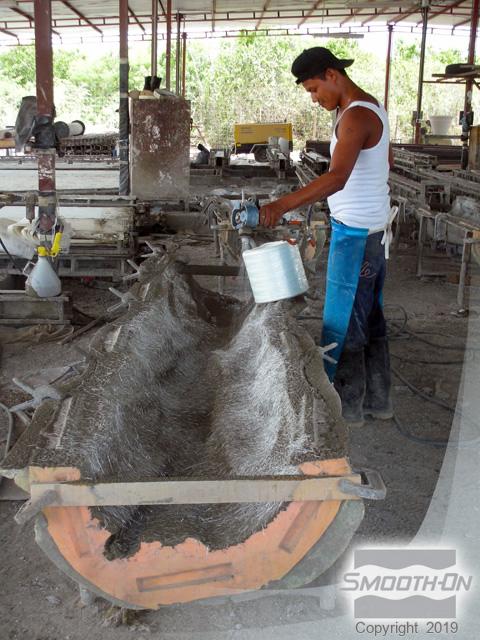
Chop and apply glass fiber into the mold behind the initial layer of spray concrete. Glass fibers will make the finished thin-walled castings extremely strong. Apply additional layers of concrete and glass fibers until the desired thickness is reached.

Step 5: Demolding
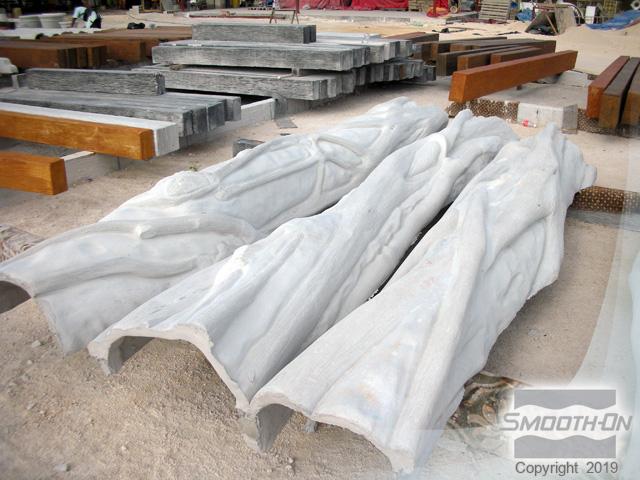
Allow concrete castings to cure. Then remove the Rebound® 25 molds and prepare for installation.
Join the GFRC column halves around a structural support column using more GFRC to eliminate seams. The post-finishing and painting can then be done on site.
Step 6: Finishing
Finished and painted castings look exactly like the original banyan trees, giving a truly organic feel to the Condominios Quadra Alea in Playa del Carmen, Mexico.
The key to creating realistic castings of the banyan tree is to capture and reproduce the smallest detail. Rebound® 25 silicone rubber perfectly reproduces even the smallest wood grain from the original. The Rebound® 25 mold can be used many times for production casting of these architectural elements.