How To Make a Prop Severed Hand Using Alja Safe™ Breeze™
Overview
John Fennel is a free-lance special effects artist that was contracted to make a severed hand for a popular television series. The show is filmed in HD and every prop has to be hyper-realistic in every way. He used Smooth-On's Alja-Safe Breeze™ for creating the initial clay pour for his prop.
Materials Used in this Tutorial
- Mixing Sticks
- Mixing Containers
- Water
- Alja-Safe™ Breeze™
- Oil-Based Sulfur Free Clay
- Hot Plate
Step 1: Dispensing Alja-Safe™ Breeze
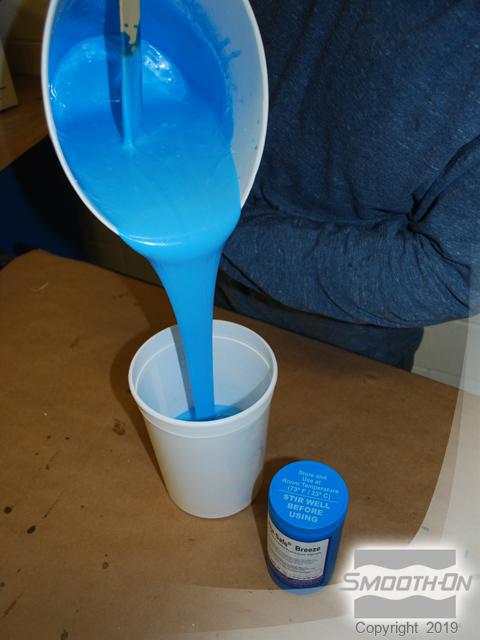
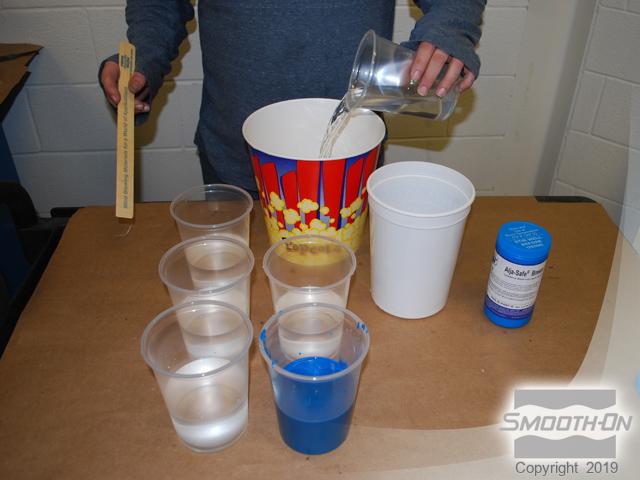
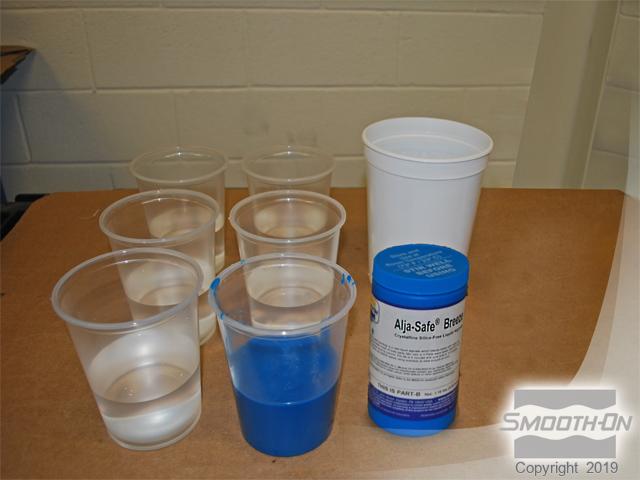
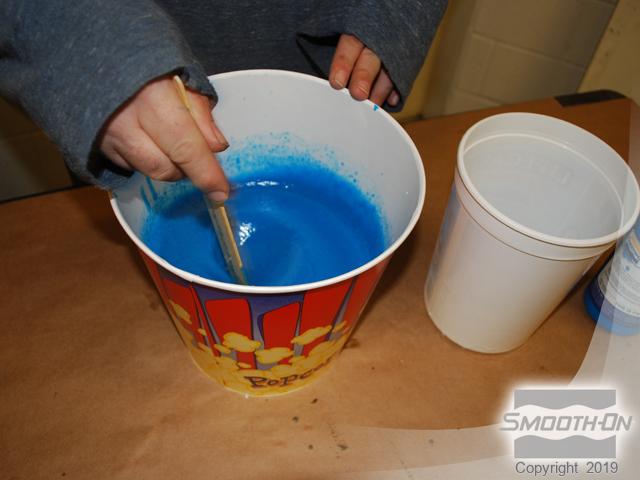
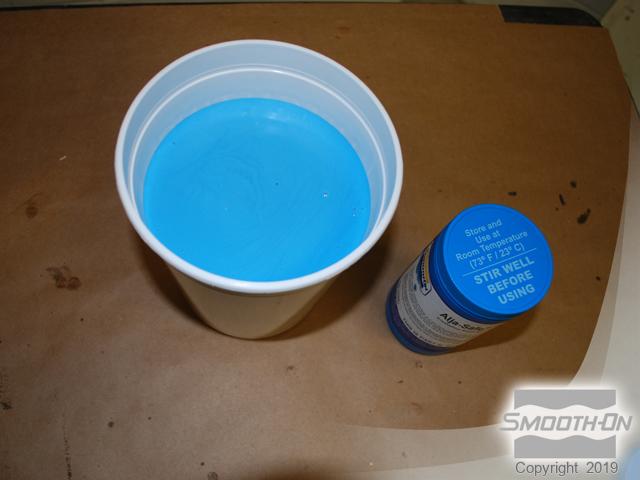
Alja Safe Breeze™ is measured out at a ratio of 5 parts water to 1 part Alja Safe Breeze by volume. Measure water and add to a mixing container. Once all the water is added, put Alja Safe Breeze™ into the mixing container. Alja Safe Breeze™ disperses and mixes easily in the water. The alginate thickens as it is stirred in the water to a nice smooth consistency. Once mixed, pour Breeze™ into a new clean casting container. The advantage of Alja Safe Breeze™ over other alginates is its smooth, lump free consistency that will ensure a perfect casting.

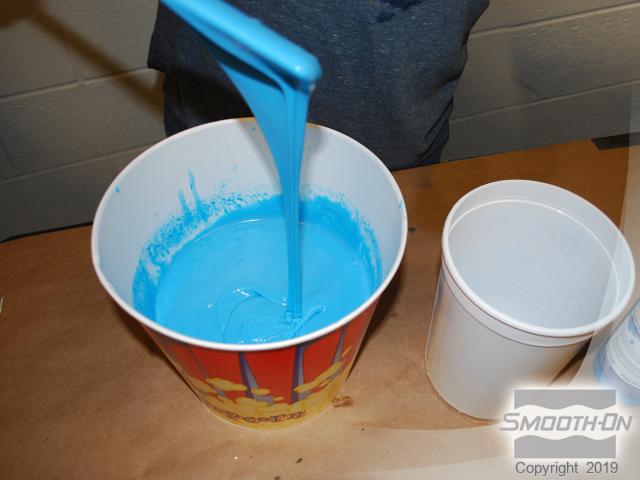
Step 2: Lifecasting with Alja-Safe™ Breeze™
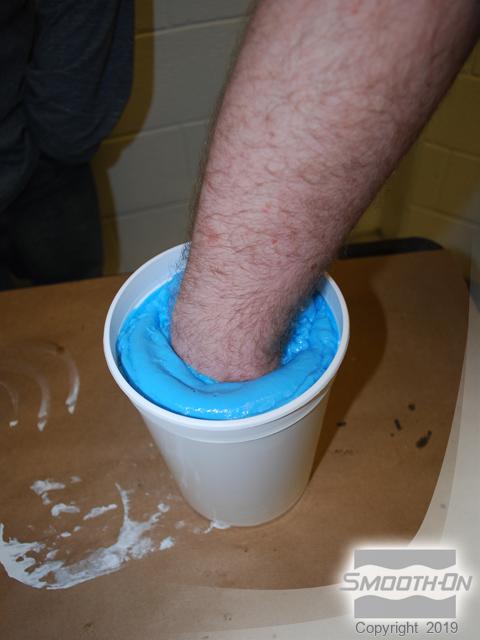
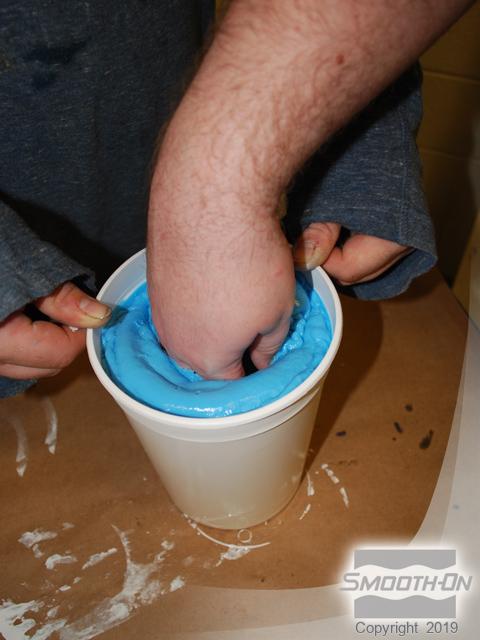
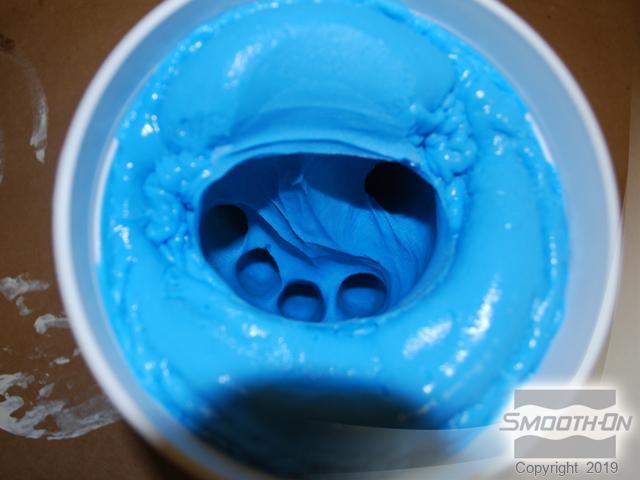
After mixing, the alginate is ready for life casting. The smooth consistent texture of the Alja Safe Breeze™ lends itself to easy lifecasting and capturing perfect detail. Once initially plunged into the Alja Safe Breeze™ , have the model pull his hand out to ensure there is no surface tension on the skin that could cause air bubbles in the casting. Within minutes, the Breeze™ cures to a tough rubber like material. Once cured, the model can easily remove his hand, no residue from the Breeze™ should be evident on the model. Breeze™ cures to a very smooth material, capturing all the detail of the model's hand.
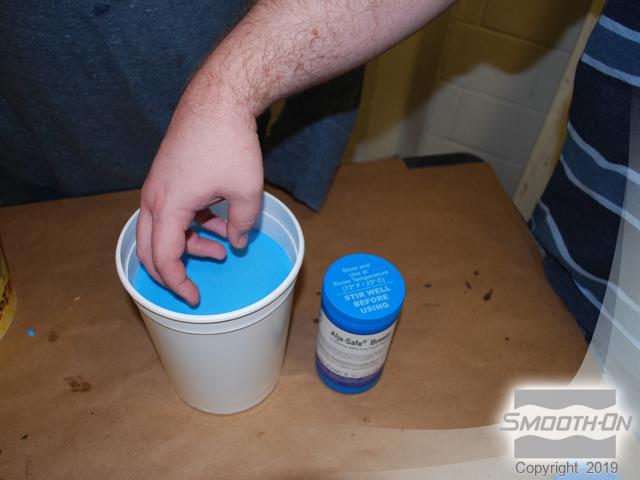
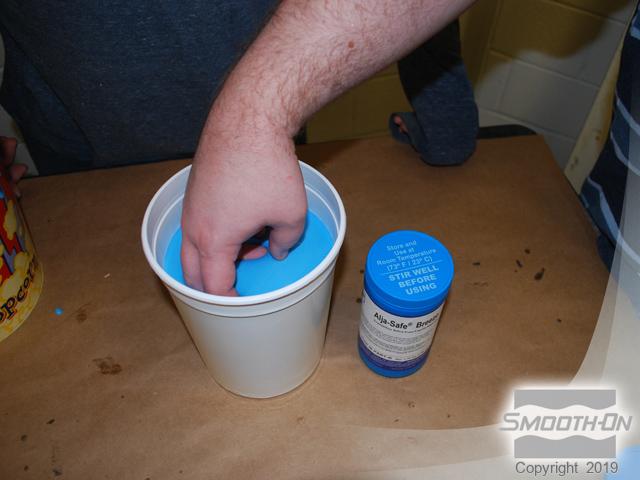
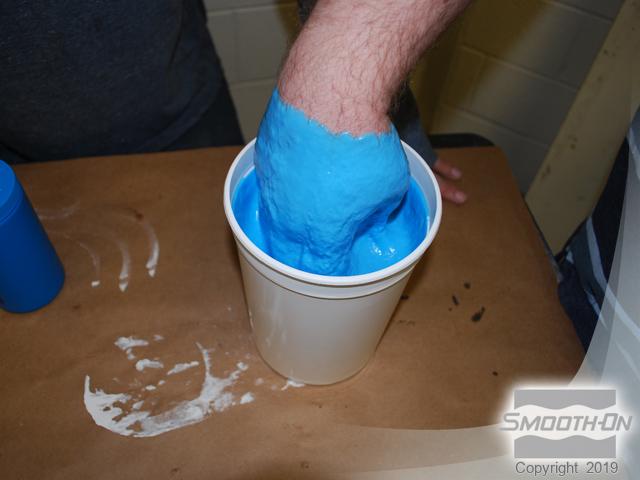
Step 3: Casting and Demolding Sulfur Free Clay
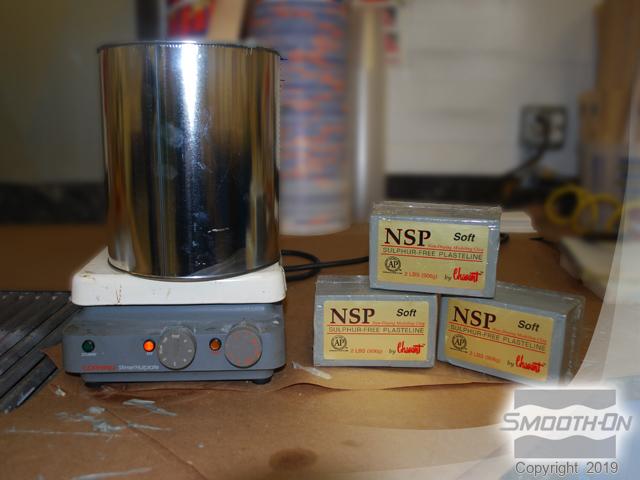
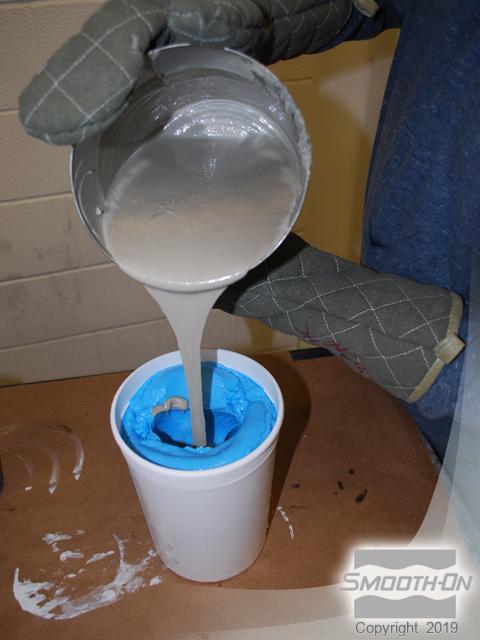
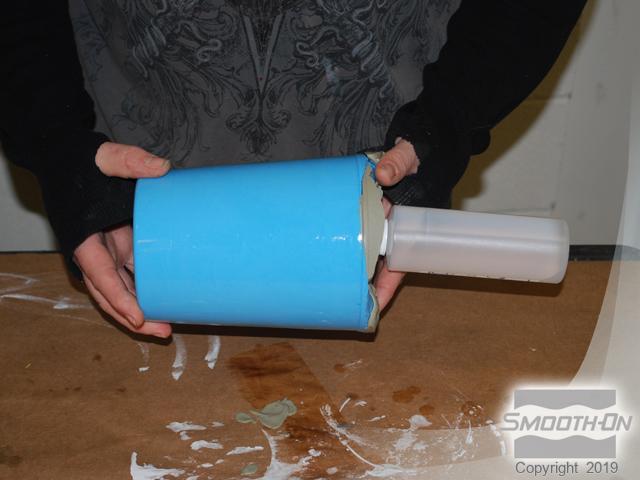
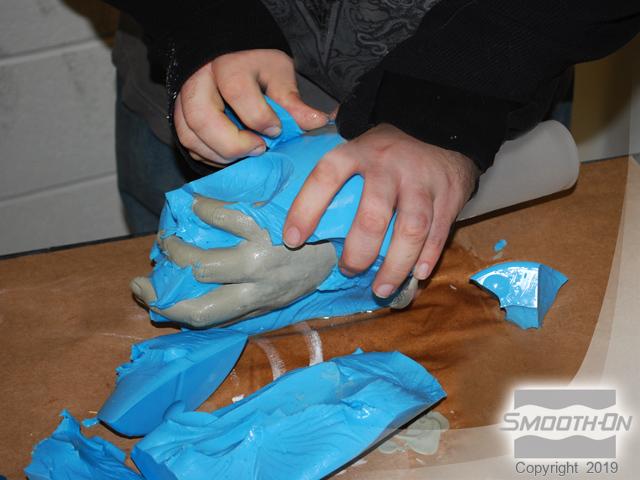
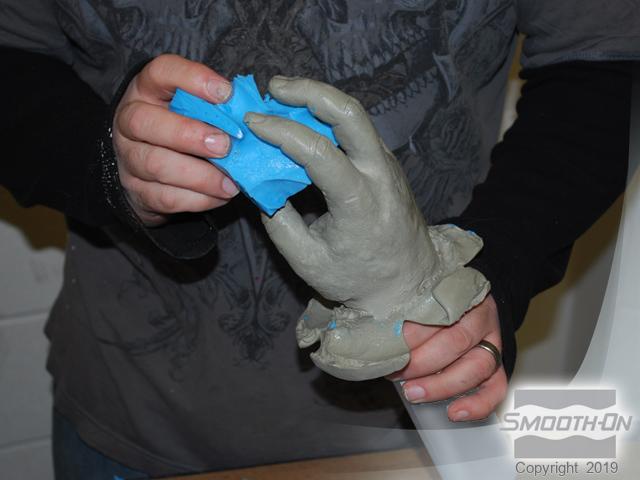
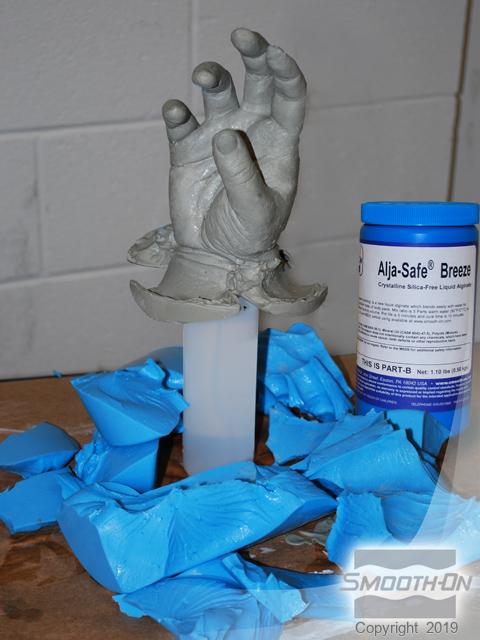
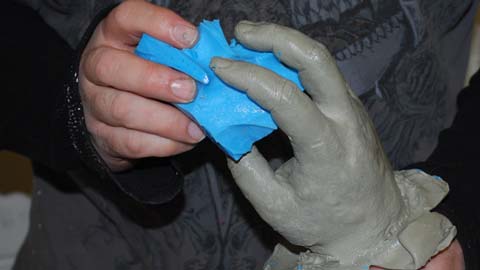
Melt clay on a hot plate in order to pour into the mold. Once the clay is melted, pour it into the freshly made Breeze™ mold. After the clay has cooled, the Breeze™ mold will slide out of the container for demolding. (The bottle was inserted in the hot melted clay to provide a base to sculpt on.) Demolding the clay hand from the Breeze™ is an easy process; just tear it apart. The Breeze™ removes easily from the soft clay casting. The clay reflects perfect detail captured in the Alja Safe Breeze™ from the initial model. It is now ready for details to be sculpted in that would suggest it was severed from the body.